Journal / Spaces Architects@ka
The House of Dancing Screens: Architecture in Motion
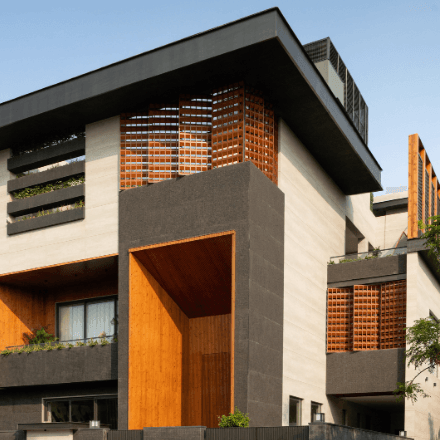
Screens have always been an important part of Indian architecture. They filter light, create privacy and produce changing relationships between inside and outside.
The House of Dancing Screens explores these ideas through a contemporary lens.
The screen is not treated as a fixed decorative surface. It becomes an active architectural element. As daylight changes, shadows move across surfaces and the character of the spaces changes with them.
This creates a sense of movement even though the building itself remains still.
The project also explores the relationship between family life and adaptability. A house needs to accommodate different ages, routines and degrees of privacy. Screens can help create these layers without closing spaces completely.
What interests me most about this approach is that it combines a traditional architectural idea with a contemporary way of living.
Architecture does not need to choose between heritage and modernity. The more interesting question is how traditional principles can be reinterpreted for present-day life.
In the House of Dancing Screens, light, shadow, privacy and movement become part of the architecture itself.